How much does a sliding glass door cost to replace?
Typical ranges, repair vs. replace, and what to look for in a new patio door.

Short answer: the attic, the ducts and the sun. In most two-story DFW homes, the upstairs sits right under a superheated attic, gets its cooling through ducts that run through that attic, and takes the most direct sun. Fix those in the right order and the gap between floors shrinks a lot.
On a summer afternoon, your attic can be far hotter than outside. If the insulation is thin, that heat pours down into the upstairs bedrooms and keeps coming after sunset. This is the most common cause we see. ENERGY STAR recommends R-49 for an uninsulated attic in our climate zone. Learn how to check yours in how much attic insulation a DFW home needs.
In many DFW homes, the ducts that carry cool air upstairs run through the attic. ENERGY STAR says a typical duct system loses about 20 to 30% of the air moving through it to leaks, holes and loose connections. Every leak in the attic dumps cool air where it does no good, and poorly insulated ducts pick up heat on the way. The upstairs rooms at the end of those runs get the least.
Warm air naturally rises to the top floor. Gaps between the top floor and the attic, around recessed lights, the attic hatch and wiring holes, let hot attic air in and pull cooled air out. Air sealing those gaps is the first step of any good attic job.
West- and south-facing windows upstairs take hours of direct afternoon sun. Older clear glass lets most of that heat in. Windows with a low Solar Heat Gain Coefficient block much of it. See how to read a window label.
Enter your square footage, windows and doors for a quick, broad estimate.
A hot upstairs is a whole-house problem, not a thermostat problem. Start where the heat gets in: the attic first, then ducts and the sunniest windows. During a free assessment we'll check your attic and windows and tell you what will close the gap for your budget.
Sources: ENERGY STAR, recommended home insulation R-values; ENERGY STAR, duct sealing.
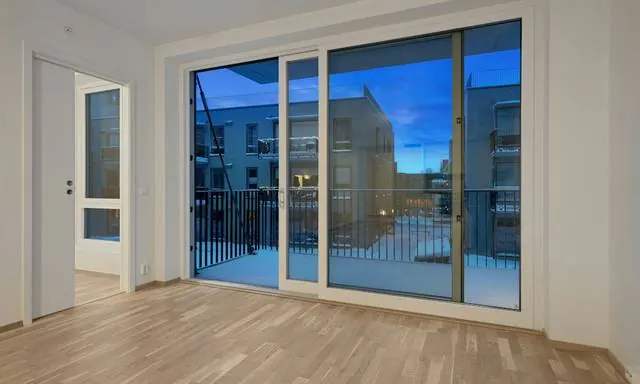 DOORS
Typical ranges, repair vs. replace, and what to look for in a new patio door.
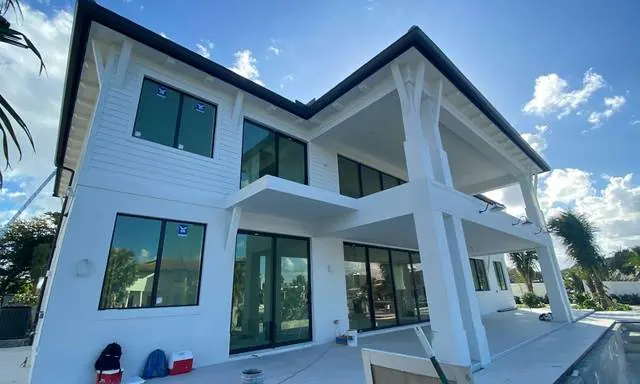 WINDOWS
Typical per-window and whole-house ranges, what drives the price, and how to compare quotes.
 INSULATION
What the foil does, how much it can help, and how it fits with attic insulation.