How much does a sliding glass door cost to replace?
Typical ranges, repair vs. replace, and what to look for in a new patio door.
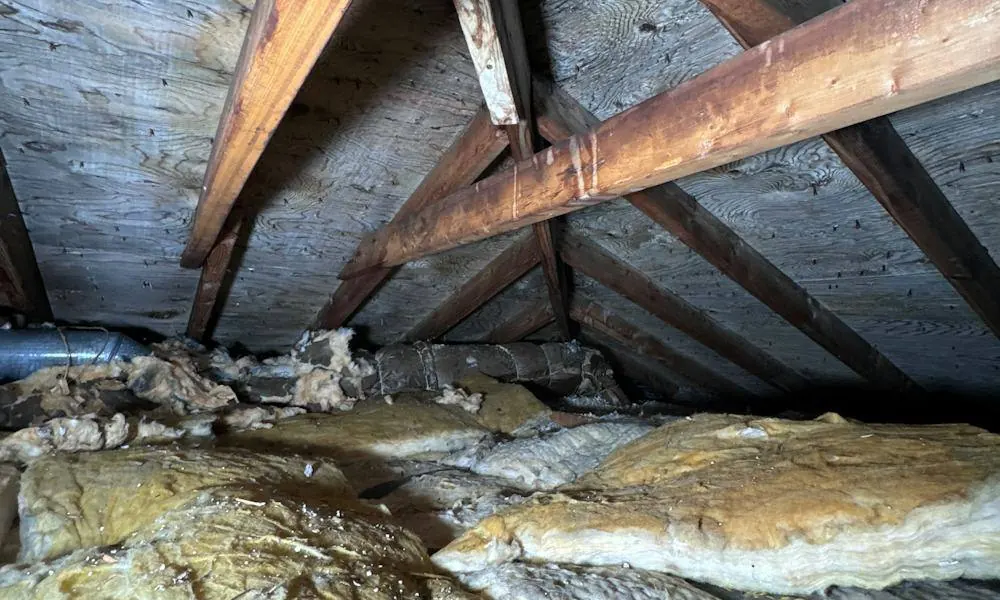
Short answer: about R-49, which is well over a foot of blown-in insulation. That's what ENERGY STAR recommends for an uninsulated attic in climate zone 3, which includes the Dallas–Fort Worth area. If your attic already has 3 to 4 inches, the recommendation is to add about R-38 on top. Many older DFW homes have far less than that.
On a July afternoon, the sun heats your roof and your attic can climb well past 130°F. That heat moves down through the attic floor into the rooms below and keeps radiating long after sunset. Insulation slows that flow. Thin or uneven insulation lets your ceilings act like a heater your air conditioner has to fight all day.
ENERGY STAR estimates homeowners save an average of 15% on heating and cooling costs, or about 11% of total energy costs, by sealing air leaks and adding insulation in attics, floors over crawl spaces, and basements.
R-value measures how well insulation resists heat. Different materials reach the same R-value at different depths. For blown-in (loose-fill) insulation, the U.S. Department of Energy lists these settled values:
The bag or installer certificate should state the depth needed for the R-value you paid for. Ask for it.
Insulation slows heat, but it doesn't stop air. Gaps around recessed lights, plumbing and wiring holes, the attic hatch, and the tops of interior walls let hot attic air leak into your home. Seal those first, then add insulation. Blowing insulation over open gaps leaves the biggest leaks in place. See how we do it on our attic insulation page.
If your attic is already at R-38 or more and evenly covered, adding more will help less. In that case air sealing, ductwork, windows or doors may be the better next step. Our savings calculator gives a rough idea of what each upgrade could save.
Enter your square footage, windows and doors for a quick, broad estimate.
For most DFW homes, the target is R-49: about 13 to 15 inches of cellulose or 18 to 22 inches of fiberglass, laid evenly over an attic floor that has been air sealed first. It's usually a one-day job and one of the most cost-effective comfort upgrades you can make. During a free assessment we'll measure what you have and show you the gap.
Sources: ENERGY STAR, recommended home insulation R-values; ENERGY STAR, why seal and insulate; U.S. DOE Building America Solution Center, loose-fill insulation.
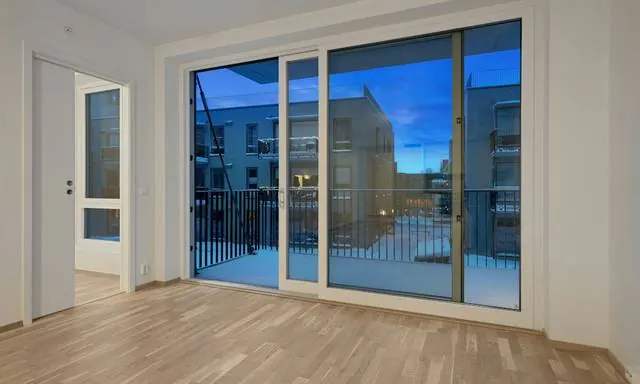 DOORS
Typical ranges, repair vs. replace, and what to look for in a new patio door.
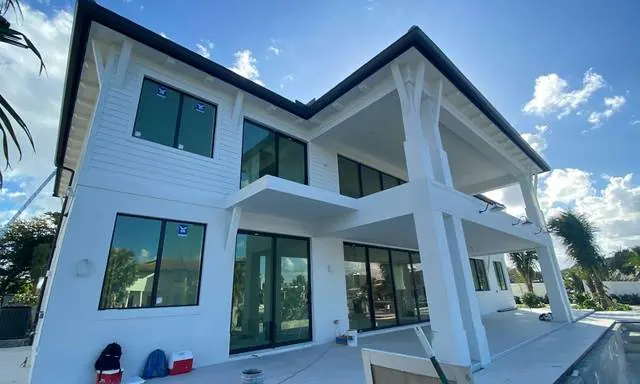 WINDOWS
Typical per-window and whole-house ranges, what drives the price, and how to compare quotes.
 COMFORT
The usual culprits, from the attic to the ductwork, and which fixes actually work.