How much does a sliding glass door cost to replace?
Typical ranges, repair vs. replace, and what to look for in a new patio door.
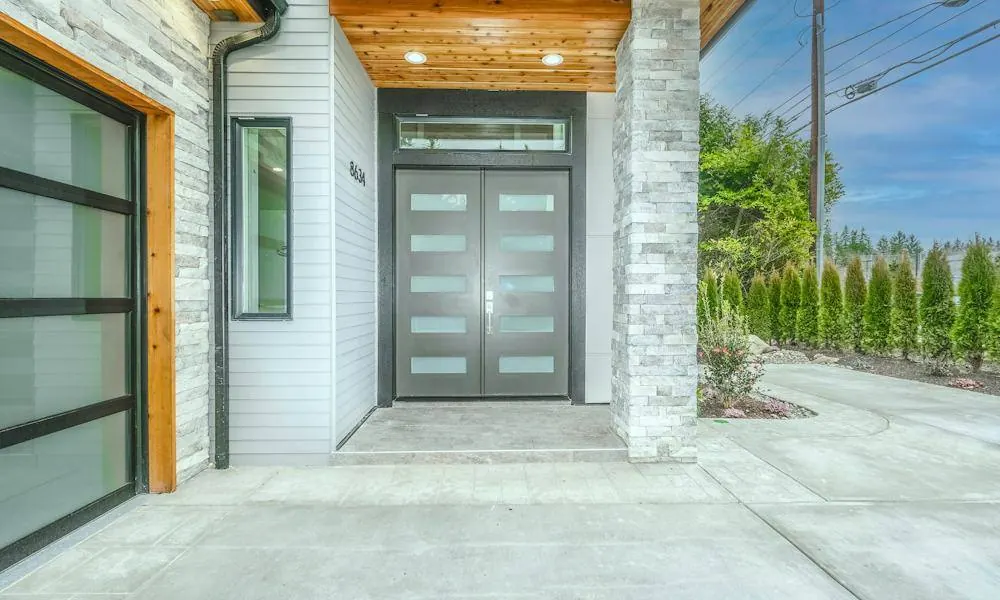
Short answer: for most North Texas homes, fiberglass is the best all-around choice. It insulates well, holds up to sun and humidity, and can look like wood without the upkeep. Steel is a strong, lower-cost option for shaded entries. Wood is beautiful, but it needs a covered porch and regular care to last here.
The U.S. Department of Energy notes that most insulated steel and fiberglass entry doors rate about R-5 to R-6, not counting any glass. That's more than five times the insulating value of a solid wood door of the same size.
See all three side by side on our entry doors page.
Sun. A west- or south-facing door can take hours of direct afternoon sun. Dark steel doors get hot to the touch, and wood finishes break down fastest in strong sun. Fiberglass handles it best. DOE also cautions that a glass storm door over a sunny entry door can trap heat against it, so check the door maker's guidance before adding one.
Humidity and storms. Wood takes on moisture and moves with the seasons, which is what makes some wood doors stick in summer. Fiberglass and steel stay stable.
Shifting foundations. North Texas clay soils move, and a door frame that goes out of square leaves gaps no weatherstripping can close. That's why how a door is installed matters as much as what it's made of.
Glass is a much weaker insulator than a solid door, so a door with a big glass panel or sidelites lets in more heat. If you want the light, choose double-pane, Low-E glass. The same low solar heat gain that matters for windows matters for door glass in Texas.
Most drafty doors aren't bad doors. They're badly hung ones. A new door should go in square and plumb, with new weatherstripping, a sealed threshold and an adjusted sweep. DOE recommends checking exterior door weatherstripping every year and replacing it when it's worn.
Enter your square footage, windows and doors for a quick, broad estimate.
In North Texas, an insulated fiberglass door installed square and sealed tight is the safest bet for comfort, looks and low upkeep. We'll measure your opening, bring samples and price it in writing.
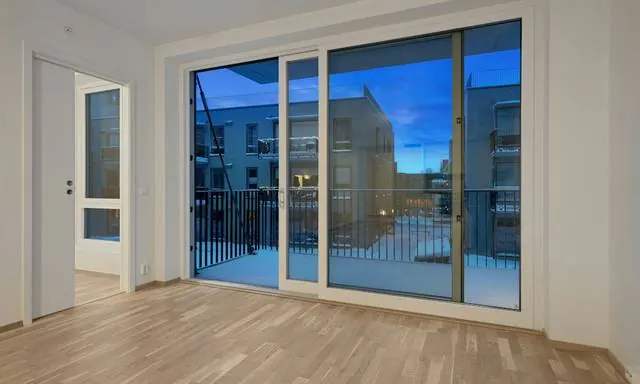 DOORS
Typical ranges, repair vs. replace, and what to look for in a new patio door.
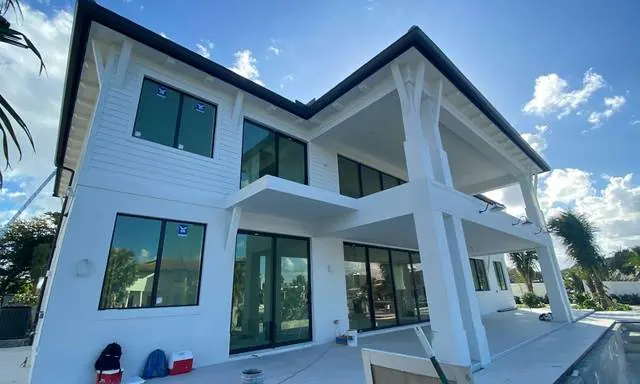 WINDOWS
Typical per-window and whole-house ranges, what drives the price, and how to compare quotes.
 COMFORT
The usual culprits, from the attic to the ductwork, and which fixes actually work.