How much does a sliding glass door cost to replace?
Typical ranges, repair vs. replace, and what to look for in a new patio door.
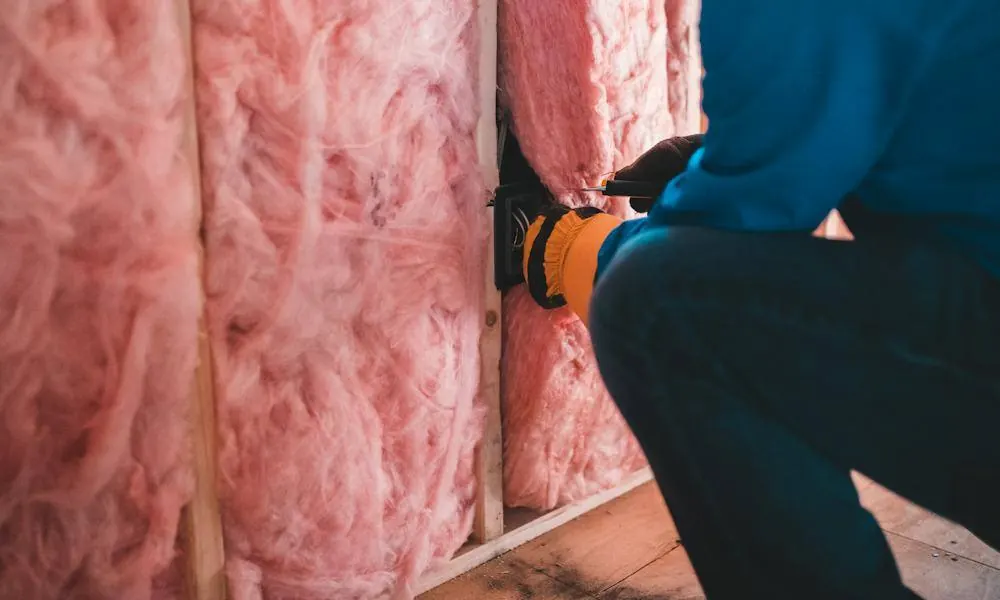
Short answer: for most DFW homes with a standard vented attic, air sealing plus blown-in insulation on the attic floor gives the best comfort for the money. Spray foam on the underside of the roof costs more. It can make sense when your ductwork and HVAC sit in the attic, or when the attic is hard to air seal from the floor.
R-value measures how well insulation resists heat. The U.S. Department of Energy lists these approximate values per inch:
Blown-in reaches high R-values cheaply because the attic floor has room for depth. Spray foam reaches them in less space, at a higher price.
Angi's June 2026 Dallas data lists blown-in at about $1 to $4.25 per square foot and spray foam at about $2 to $5.25 per square foot. Spray foam usually covers the larger roof area rather than the attic floor, so whole-project totals often run several times higher. Treat these as broad ranges, not quotes. Attic insulation cost in DFW
Enter your square footage, windows and doors for a quick, broad estimate.
Spray foam is a strong product at a premium price. For most DFW attics, sealing the attic floor and blowing in insulation to the recommended level gets you most of the comfort for much less. We'll look at your attic and explain which approach fits.
Sources: U.S. DOE Building America, spray polyurethane foam guide; U.S. DOE Building America Solution Center, loose-fill insulation; Angi, attic insulation cost in Dallas, TX (updated June 2026).
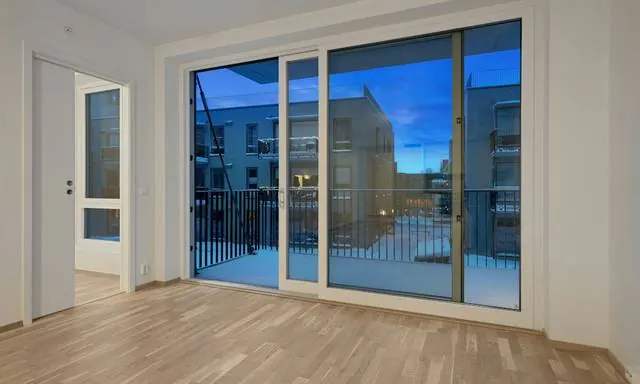 DOORS
Typical ranges, repair vs. replace, and what to look for in a new patio door.
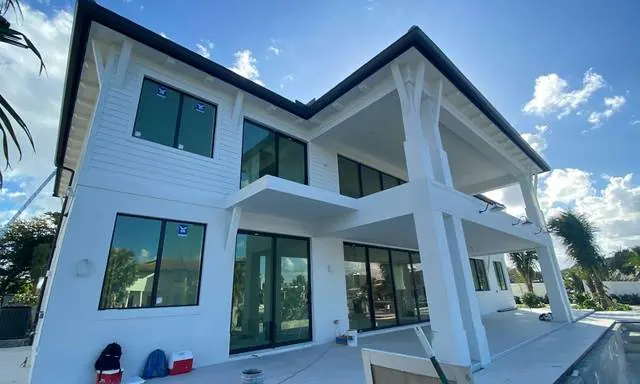 WINDOWS
Typical per-window and whole-house ranges, what drives the price, and how to compare quotes.
 COMFORT
The usual culprits, from the attic to the ductwork, and which fixes actually work.