How much does a sliding glass door cost to replace?
Typical ranges, repair vs. replace, and what to look for in a new patio door.
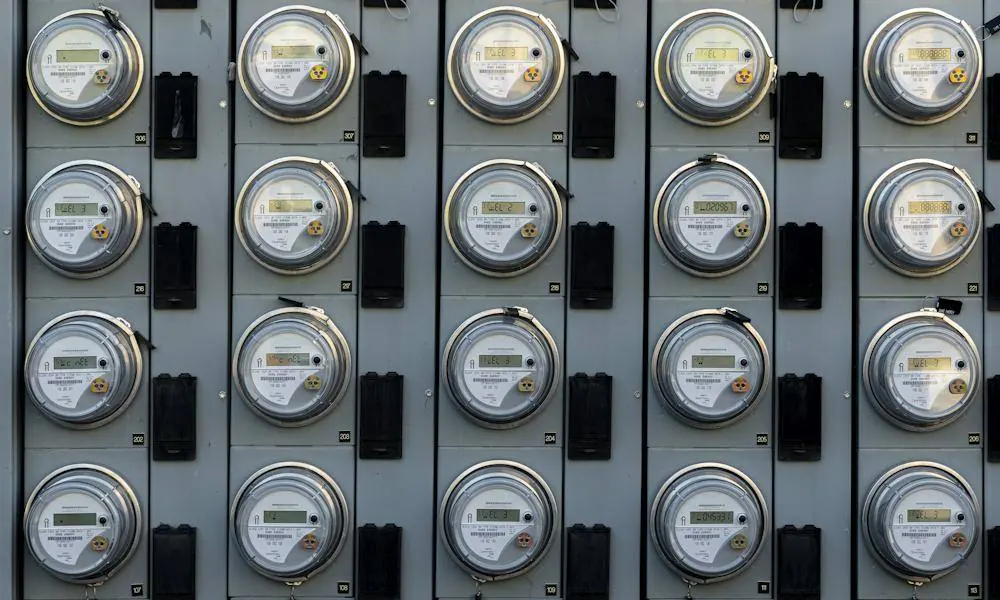
Short answer: in a Texas summer, your air conditioner is usually the reason your electric bill is so high. It runs for hours every day to push heat back out of the house. How much it has to run depends on the weather, your thermostat, your electricity rate, and how well your attic, windows, doors and ducts keep heat out.
Cooling is one of the largest uses of electricity in American homes, and homes in the South use more of it than the rest of the country. In a DFW summer, a few extra degrees outside or on the thermostat can add hours of runtime. EIA data puts the average Texas home at roughly 1,100 kWh a month across the year, and summer months often run well above that.
Most of DFW is in Texas's competitive electricity market. If your fixed-rate plan ended, you may have rolled onto a higher variable rate. Compare the price per kWh on this bill with last month's, and check your plan's Electricity Facts Label. If your usage in kWh didn't change but your bill did, it's the rate, not the house.
A hot attic with thin insulation heats your ceilings all afternoon. ENERGY STAR recommends R-49 for an uninsulated attic in our climate zone. How much insulation does a DFW home need?
Many DFW homes have ductwork in the attic. ENERGY STAR estimates a typical duct system loses about 20 to 30% of the air moving through it to leaks and poor connections. That cooled air ends up in the attic.
Old clear glass on west- and south-facing windows lets in a lot of afternoon heat, and worn weatherstripping lets cooled air out. What to look for in a window
If upstairs is much hotter than downstairs, read why that happens. For quick no-cost fixes, see our energy-saving tips.
Enter your square footage, windows and doors for a quick, broad estimate.
High summer bills come from AC runtime, your rate, and how much heat your home lets in. You can check the first two yourself. For the third, our savings calculator gives a rough estimate, and a free assessment shows exactly where the heat gets in.
Sources: U.S. Energy Information Administration, electricity sales, revenue and price; ENERGY STAR, recommended home insulation R-values; ENERGY STAR, duct sealing.
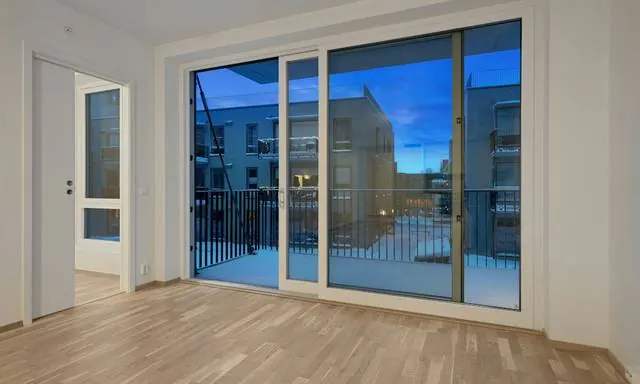 DOORS
Typical ranges, repair vs. replace, and what to look for in a new patio door.
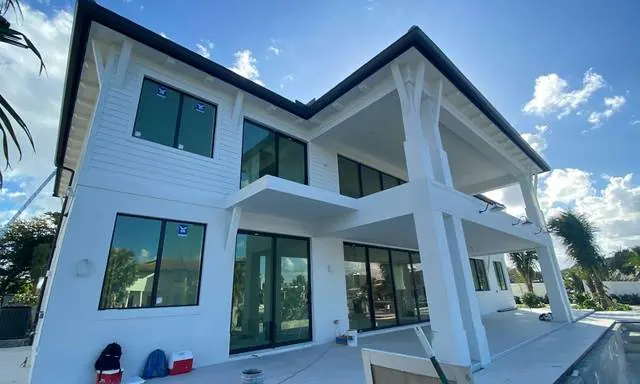 WINDOWS
Typical per-window and whole-house ranges, what drives the price, and how to compare quotes.
 COMFORT
The usual culprits, from the attic to the ductwork, and which fixes actually work.